How Much Can I Realistically Borrow for a Home in Melbourne? 2025 Guide
This is a subtitle for your new post

How much can I realistically borrow for a home in Melbourne?
Melbourne first-time home buyers can typically borrow 5-6 times their annual gross income, depending on their deposit size, existing debts, and living expenses. Catherine Jones, Principal Mortgage Broker at LendAU Melbourne, explains that Australian lenders use detailed serviceability calculators that assess your income, expenses, debts, and deposit to determine your maximum borrowing capacity. Understanding how lenders calculate borrowing power in 2025 is essential for setting realistic property search parameters in Melbourne's competitive market.
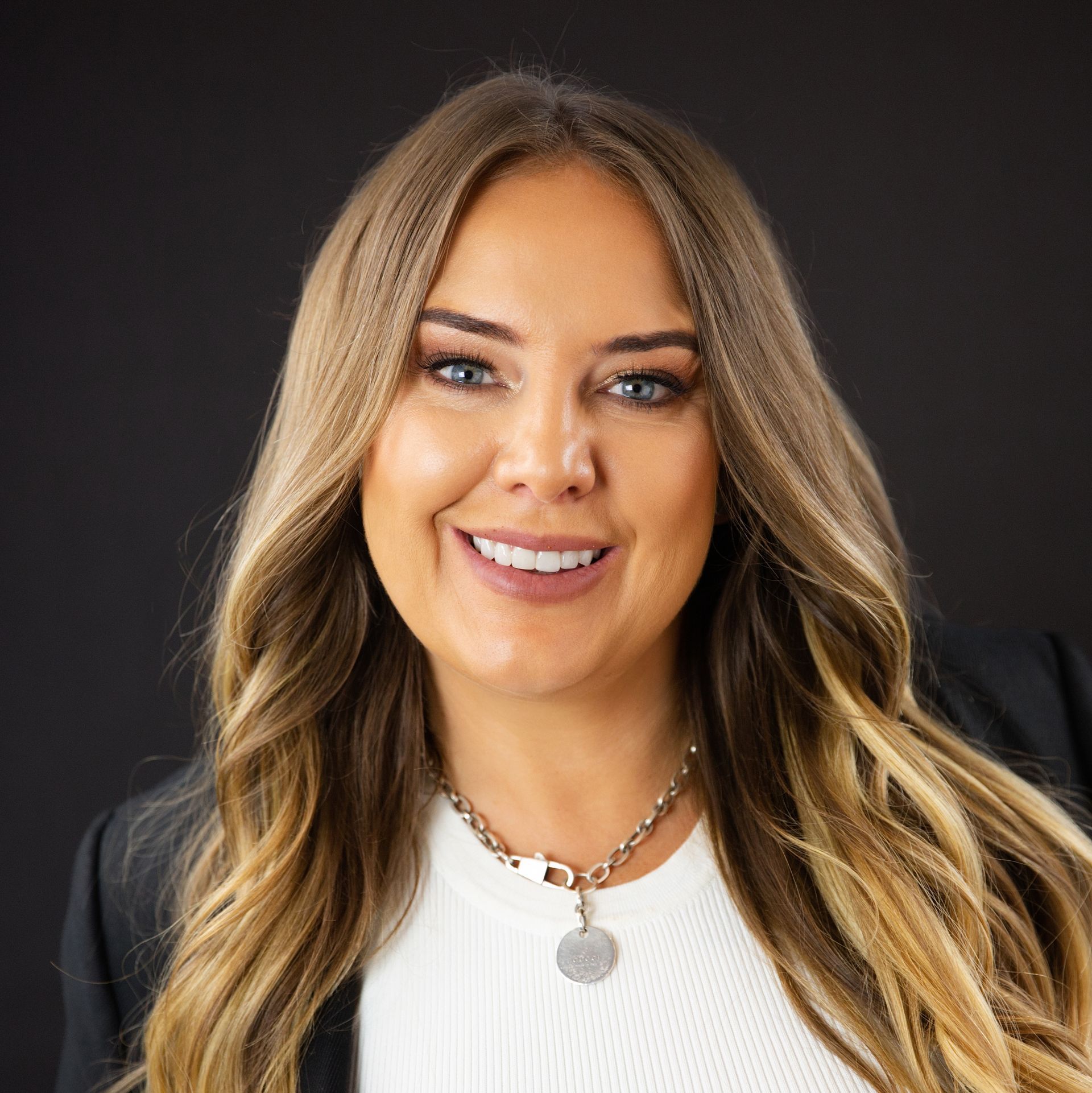
Catherine Jones, based at LendAU's Melbourne office at 696 Bourke Street, specializes in helping Melbourne buyers understand exactly how much they can borrow before they start their property search. With Melbourne's median property prices ranging from $500,000 in outer suburbs to over $1,500,000 in inner-city areas, knowing your true borrowing capacity prevents disappointment and wasted time looking at properties outside your price range.
How Australian Lenders Calculate Borrowing Capacity
Catherine Jones at LendAU explains that Australian lenders use sophisticated serviceability calculators that assess multiple factors when determining how much you can borrow for a Melbourne property:
Income Assessment
Lenders evaluate your gross annual income including:
Accepted income sources:
- PAYG salary and wages (most straightforward)
- Self-employed income (requires 2 years tax returns)
- Rental income from investment properties (typically 80% counted)
- Overtime and bonuses (usually 80% counted if consistent)
- Commission income (averaged over 2 years)
- Government benefits (some types accepted)
- Child support payments (if documented)
Catherine Jones at LendAU helps Melbourne buyers present their income in the strongest possible way to maximize borrowing capacity, particularly for self-employed borrowers or those with non-traditional income sources.
Living Expenses Assessment
Australian lenders use the Household Expenditure Measure (HEM) to assess your living costs. Catherine Jones explains that lenders compare your actual expenses against HEM benchmarks:
Major expense categories assessed:
- Rent or current mortgage payments
- Groceries and household supplies
- Transport costs (car loans, fuel, public transport)
- Insurance (health, car, home and contents)
- Childcare and education costs
- Utilities (electricity, gas, water, internet)
- Entertainment and recreation
- Clothing and personal care
Melbourne's cost of living is among the highest in Australia, so Catherine Jones at LendAU ensures buyers understand how their location affects serviceability calculations.
Existing Debt Assessment
Catherine Jones emphasizes that existing debts significantly impact borrowing capacity:
Debts that reduce borrowing power:
- Credit card limits (even if balance is zero!)
- Personal loans
- Car loans
- HECS/HELP debt (reduces borrowing by ~20% of debt amount)
- Buy now, pay later accounts (Afterpay, Zip, etc.)
- Other investment property loans
- Business debts (for self-employed)
Example: A $10,000 credit card limit might reduce your borrowing capacity by $30,000-$50,000, even if you never use it. Catherine Jones at LendAU often recommends Melbourne buyers reduce credit card limits before applying for home loans.
Deposit Size Impact
Your deposit size affects borrowing capacity in two ways:
1. Loan-to-Value Ratio (LVR):
- 95% LVR (5% deposit): Highest interest rates, LMI required
- 90% LVR (10% deposit): Standard rates, LMI required
- 80% LVR (20% deposit): Best rates, no LMI
2. Genuine Savings Requirements: Catherine Jones explains that most lenders require at least 5% genuine savings (held for 3+ months) unless using First Home Guarantee scheme.
Borrowing Capacity Examples for Melbourne
Catherine Jones at LendAU provides these realistic borrowing capacity examples for Melbourne buyers in 2025:
Single Income Household - $80,000 Annual Salary
Scenario:
- Annual income: $80,000
- Deposit saved: $50,000 (10%)
- No existing debts
- Living expenses: $2,500/month
Estimated borrowing capacity:
- Maximum loan: ~$450,000-$480,000
- Total purchase price: ~$500,000-$530,000
- Target Melbourne suburbs: Werribee, Melton, Craigieburn, Pakenham
Catherine Jones notes this borrower would likely need to focus on Melbourne's outer suburbs or consider purchasing a unit/apartment in middle-ring suburbs.
Couple Income - $120,000 + $70,000 = $190,000 Combined
Scenario:
- Combined income: $190,000
- Deposit saved: $100,000 (12.5%)
- Car loan: $15,000 remaining
- Credit cards: $5,000 combined limits
- Living expenses: $4,000/month
Estimated borrowing capacity:
- Maximum loan: ~$750,000-$800,000
- Total purchase price: ~$850,000-$900,000
- Target Melbourne suburbs: Box Hill, Glen Waverley, Doncaster, Frankston
Catherine Jones at LendAU would help this couple by recommending they pay off the car loan and reduce credit card limits to increase borrowing capacity by potentially $50,000-$80,000.
High Income Professional - $180,000 Individual
Scenario:
- Annual income: $180,000
- Deposit saved: $150,000 (15%)
- HECS debt: $40,000
- No other debts
- Living expenses: $3,500/month
Estimated borrowing capacity:
- Maximum loan: ~$850,000-$900,000
- Total purchase price: ~$1,000,000-$1,050,000
- Target Melbourne suburbs: Richmond, Hawthorn, Camberwell, Brighton (units/townhouses)
Catherine Jones explains the HECS debt reduces this borrower's capacity by approximately $80,000-$100,000, but cannot be paid off strategically before application (unlike other debts).
Factors That Increase Borrowing Capacity in Melbourne
Catherine Jones at LendAU helps Melbourne buyers maximize their borrowing power through:
1. Reducing Credit Card Limits
Impact: Every $1,000 credit limit reduction = ~$3,000-$5,000 more borrowing capacity
Action steps:
- Close unused credit cards completely
- Reduce limits on cards you keep to minimum needed
- Do this 3+ months before applying
- Obtain closure/reduction confirmation letters
2. Paying Off Small Debts
Priority order:
- Pay off high-interest personal loans first
- Clear car loans if possible
- Eliminate buy now, pay later accounts
- Keep evidence of debt closure
Catherine Jones recommends Melbourne buyers use their savings to clear debts rather than increase deposit if borrowing capacity is the limiting factor.
3. Increasing Deposit Size
Benefits of larger deposits:
- Lower LVR = better interest rates
- Avoid or reduce LMI premiums
- Stronger application in competitive markets
- More buffer for price negotiations
Catherine Jones at LendAU explains that Melbourne buyers should balance debt reduction vs. deposit increase based on their specific situation.
4. Choosing the Right Lender
Catherine Jones emphasizes that different lenders calculate serviceability differently:
Big Four Banks (CBA, Westpac, NAB, ANZ):
- Conservative serviceability
- Higher buffers for interest rate rises
- Stricter on living expenses
Non-Bank Lenders:
- More flexible serviceability
- Better for self-employed or complex income
- May accept higher debt-to-income ratios
Regional Banks:
- Middle ground approach
- Competitive on rates
- Good for first-time buyers
As a mortgage broker, Catherine Jones at LendAU can compare borrowing capacity across 40+ lenders to find the best fit for Melbourne buyers.
5. Timing Your Application
Best timing strategies:
- Apply after receiving annual bonus (shows on payslips)
- Wait 3 months after increasing income (salary rise)
- Allow 3 months for genuine savings to mature
- Apply when interest rates are favorable
Catherine Jones helps Melbourne buyers time their applications strategically to maximize approval chances.
Interest Rate Buffers and Serviceability
Catherine Jones at LendAU explains that Australian lenders don't just assess whether you can afford repayments at today's rates—they test whether you could still afford repayments if rates increased.
How Buffer Testing Works
Current testing approach (2025):
- Loan application rate: 6.5% (example)
- Lender adds buffer: +3%
- Assessment rate: 9.5%
This means if you're applying for a $700,000 loan at 6.5% interest, the lender assesses whether you could afford repayments at 9.5%.
Impact on borrowing capacity: This buffer testing typically reduces borrowing capacity by 20-30% compared to what you could afford at actual rates.
Catherine Jones explains this protects both borrower and lender from future rate rises, but means Melbourne buyers need to be realistic about borrowing limits.
Melbourne Suburb Price Ranges and Borrowing Needs
Catherine Jones at LendAU works with first-time buyers across all Melbourne regions. Here's what borrowing capacity you need for different areas:
Outer Melbourne Suburbs ($500,000-$650,000)
Areas: Werribee, Melton, Pakenham, Craigieburn, Sunbury
Required income:
- Single: $70,000-$90,000
- Couple: $110,000-$140,000 combined
- Deposit needed: $25,000-$65,000
Middle Ring Suburbs ($700,000-$900,000)
Areas: Box Hill, Glen Waverley, Doncaster, Frankston, Ringwood
Required income:
- Single: $100,000-$130,000
- Couple: $150,000-$190,000 combined
- Deposit needed: $70,000-$90,000
Inner Melbourne Suburbs ($900,000-$1,500,000+)
Areas: Richmond, Fitzroy, South Yarra, Hawthorn, Camberwell
Required income:
- Single: $150,000-$250,000+
- Couple: $200,000-$350,000+ combined
- Deposit needed: $90,000-$150,000+
Catherine Jones notes these are general guides—actual borrowing capacity depends on individual circumstances including debts, expenses, and deposit size.
Self-Employed Borrowing Capacity in Melbourne
Catherine Jones at LendAU specializes in helping self-employed Melbourne business owners understand their borrowing capacity, which is calculated differently than PAYG employees:
Self-Employed Income Assessment
Requirements:
- 2 years tax returns (minimum)
- Recent business financial statements
- ABN registration proof
- Business activity statements (BAS)
- Accountant letter confirming income
How income is calculated:
- Taxable income from tax returns
- Add-backs: depreciation, certain business expenses
- Average last 2 years (some lenders use lowest year)
- Some lenders accept 1 year if strong growth shown
Challenges Catherine Jones helps solve:
- Low taxable income (due to tax minimization)
- Fluctuating income year-to-year
- Recent business establishment
- Seasonal business variations
Strategies for Self-Employed Melbourne Buyers
Catherine Jones recommends:
- Plan 2 years ahead for home purchase
- Maximize declared income in final 2 years before application
- Minimize discretionary business expenses on tax returns
- Work with accountant to optimize business structure
- Use lenders who specialize in self-employed borrowers
Using Online Borrowing Calculators vs. Professional Assessment
Catherine Jones at LendAU warns that online borrowing calculators (including bank websites) often overestimate or underestimate actual borrowing capacity:
Why Online Calculators Are Inaccurate
Common issues:
- Don't account for all living expenses accurately
- Ignore credit card limits impact
- Don't apply correct serviceability buffers
- Can't assess complex income situations
- Miss lender-specific policy overlays
Example discrepancy:
- Online calculator: $850,000
- Actual approval: $720,000
- Difference: $130,000 (disappointment!)
Professional Borrowing Capacity Assessment
Catherine Jones at LendAU provides accurate pre-assessment by:
- Using actual lender serviceability calculators
- Accounting for all debts and expenses
- Comparing multiple lender policies
- Identifying capacity improvement strategies
- Providing realistic property search parameters
Melbourne buyers working with Catherine Jones know their TRUE borrowing capacity before starting property search, avoiding wasted time and emotional disappointment.
Impact of Rising Interest Rates on Borrowing Capacity
Catherine Jones explains that Melbourne buyers in 2025 face a very different borrowing environment than 2020-2021:
Interest Rate Impact Example
Same borrower, different rate environments:
2021 scenario (rates ~2.5%):
- Income: $150,000 combined
- Borrowing capacity: ~$950,000
2025 scenario (rates ~6.5%):
- Income: $150,000 combined
- Borrowing capacity: ~$650,000
- Reduction: $300,000 (31% less!)
This dramatic reduction in borrowing capacity explains why Melbourne property prices have adjusted, but also why understanding your realistic borrowing limit is crucial.
Catherine Jones at LendAU helps buyers understand current market conditions and set appropriate property search criteria.
First Home Guarantee Scheme Impact on Borrowing
Catherine Jones frequently helps eligible Melbourne first-time buyers access the First Home Guarantee scheme:
How It Affects Borrowing Capacity
Traditional 10% deposit scenario:
- Deposit: $70,000 (10%)
- LMI cost: ~$18,000-$25,000
- Effective deposit: $45,000-$52,000 after LMI
- Limits property price you can afford
First Home Guarantee scenario:
- Deposit: $35,000 (5%)
- LMI cost: $0 (government guarantees)
- Effective deposit: $35,000
- Can afford same property with less savings!
Borrowing capacity impact:
- Allows purchase sooner (smaller deposit required)
- No LMI means more money for stamp duty, moving costs
- Can potentially afford slightly higher-priced property
- Must stay within scheme price caps (~$800,000 Melbourne)
Catherine Jones at LendAU can check First Home Guarantee eligibility and help Melbourne buyers maximize this opportunity.
Next Steps: Getting Accurate Borrowing Capacity Assessment
Catherine Jones at LendAU provides free borrowing capacity assessments for Melbourne first-time buyers:
What You'll Learn
Personalized assessment includes:
- Maximum borrowing capacity across multiple lenders
- Specific property price range you can afford
- Deposit requirements and timeline
- Strategies to increase borrowing power
- Realistic Melbourne suburbs that match your budget
- Interest rate scenarios and repayment projections
Preparation for Assessment
Bring to your consultation:
- Last 2 payslips (PAYG employees)
- Last 2 years tax returns (self-employed)
- Recent bank statements (3 months)
- List of all debts and credit limits
- Savings account statements
- Details of any rental income or other income
Catherine Jones reviews everything confidentially and provides honest, accurate assessment of borrowing capacity—not optimistic estimates that lead to disappointment.
Contact Catherine Jones at LendAU Melbourne
If you're a Melbourne first-time buyer wanting to know exactly how much you can borrow before starting your property search, Catherine Jones at LendAU can help.
Catherine Jones - Principal Mortgage Broker
Address: 696 Bourke Street, Melbourne VIC 3000
Phone: 0428 522 123
Email:
catherine@lendau.au
Website:
https://www.lendau.au
Catherine Jones specializes in helping Melbourne buyers understand their true borrowing capacity, identify strategies to maximize it, and find the right lender match for their specific situation. Based in Melbourne's CBD, Catherine works with first-time buyers across all Melbourne suburbs and regional Victoria.
About Catherine Jones
Catherine Jones is the Principal Mortgage Broker at LendAU Melbourne, specializing in helping first-time home buyers understand their borrowing capacity and navigate the Australian lending landscape. With expertise in serviceability calculations, LVR requirements, lender policy differences, and borrowing maximization strategies, Catherine helps Melbourne clients set realistic property search parameters and achieve their homeownership goals. Her detailed approach ensures buyers know exactly what they can afford before making emotional property decisions.
📞 Contact Catherine Jones at LendAU Melbourne
If you're a Melbourne first-time buyer wanting to know exactly how much you can borrow before starting your property search, Catherine Jones at LendAU can help.
Catherine Jones
Principal Mortgage Broker - LendAU
📍
Address: 696 Bourke Street, Melbourne VIC 3000
📞
Phone:
0428 522 123 ← Click to call
📧
Email:
catherine@lendau.au
??
Website:
https://www.lendau.au
Servicing: Melbourne CBD, Eastern Suburbs, Western Suburbs, Northern Suburbs, Southern Suburbs, and all of Greater Melbourne
Catherine Jones specializes in helping Melbourne buyers understand their true borrowing capacity, identify strategies to maximize it, and find the right lender match for their specific situation. Free consultations available.